Tobias
Articles
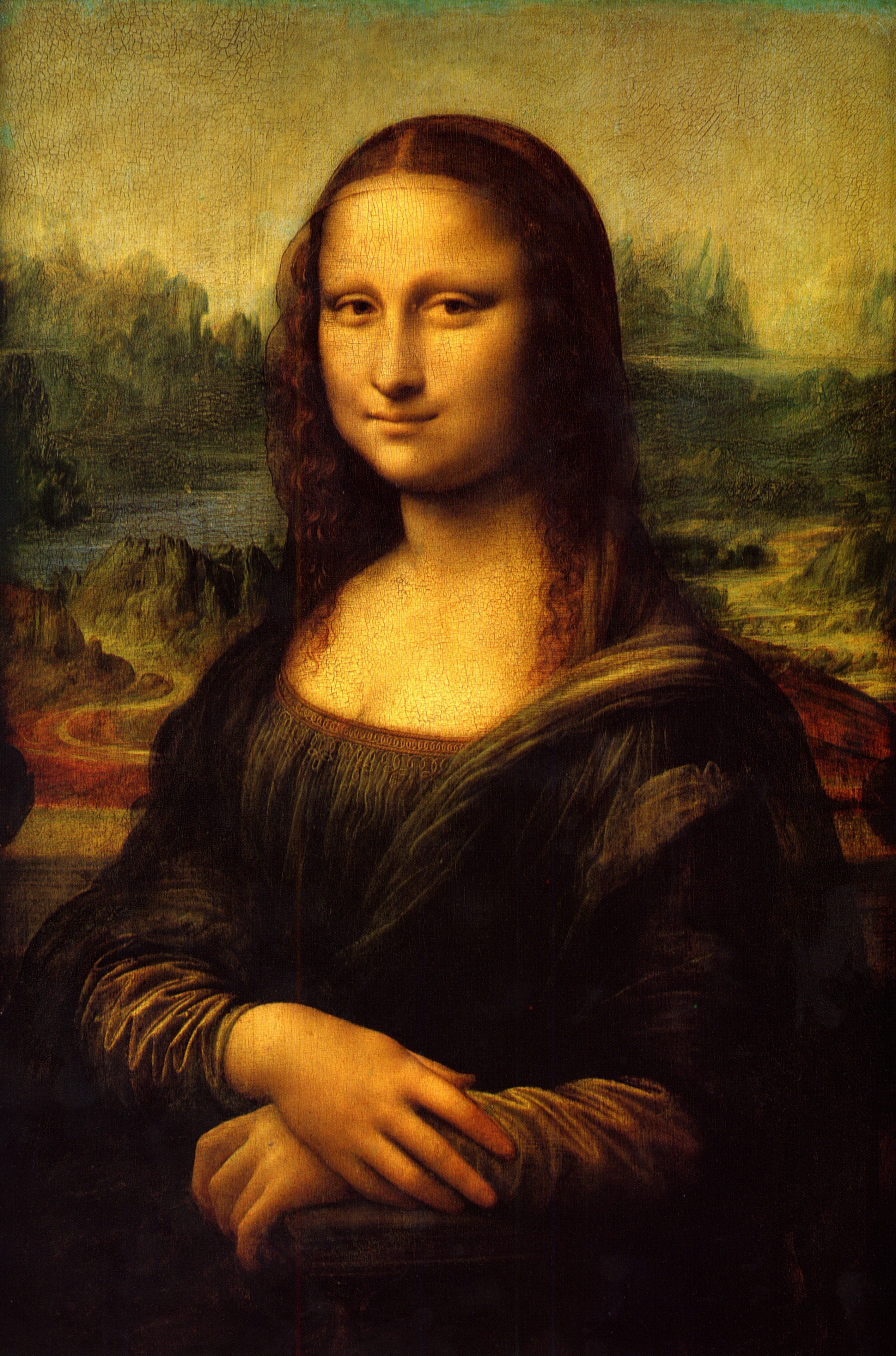
The Mona Lisa wasn't famous until it was stolen — and the man who took it did it for love, not money
The most famous painting in the world was, for most of its existence, just one of many fine Renaissance portraits hanging in the Louvre. It had no bulletproof glass, no room of its own, no crowd three deep. It was a well-regarded Leonardo da Vinci among other well-regarded Leonardos. Then, on the morning of August 21, 1911, it vanished — and the empty space on the wall became more famous than the painting had ever been.
What moved in prediction markets today? A free tool that shows you in one glance
If you follow Polymarket — or any prediction market — you've felt the problem: something big happened, the crowd shifted, but by the time you checked individual markets you had no sense of what moved or how much. You see one market at a time through Polymarket's search or category pages, and the big picture of what the crowd is re-pricing right now stays invisible. That's the gap the Market Movers(https://builtbytobias.com/polymarket-scanner/movers) page fills.
A prediction market says "63%" — but is that the crowd's real signal, or a thin market pretending to be one?
A prediction market shows a price: "Yes" at 0.63, implying a 63% probability. That number looks precise. But how much of the crowd actually voted on it? If only one person placed a small bet and nobody else showed up, that 63% is just one opinion with a price tag — not the wisdom of the crowd. This is the difference between a deep market and a thin one, and it matters more than the price itself.

Dagen H: the day 2 million Swedes started driving on the wrong side of the road — and accidents dropped
On September 3, 1967, Sweden did something no modern country had ever attempted: it switched from driving on the left side of the road to the right, nationwide, in a single morning. Within weeks, traffic accidents fell — not because people drove more carefully, but because they'd been driving the wrong cars for decades. The problem that took 40 years to fix
The last software moat that just cracked: AI can now read compiled code well enough that "closed source" means less every month
You can no longer assume that shipping a compiled binary hides how it works. The assumption that withholding source code keeps outsiders from understanding your software has been quietly breaking all year, and the evidence from October 2026 makes it hard to ignore.

The Mozart effect: how 36 college students, 10 minutes of piano, and a game of telephone convinced millions that classical music makes babies smarter
In 1993, a one-page letter in the journal Nature reported that 36 college students scored 8–9 points higher on a spatial reasoning test after listening to 10 minutes of Mozart — an effect that vanished within 15 minutes. Within five years, the state of Georgia had allocated $105,000 to give every newborn a classical music CD. Florida passed a law requiring state-funded daycares to play classical music daily. Parents bought millions of "Baby Mozart" CDs.

The first self-service grocery store was a radical bet that customers could be trusted to pick their own food
Before September 1916, you never touched the food you bought. You walked into a grocery store, handed a list to a clerk, and waited while he gathered everything from the shelves — scooping flour from a barrel, slicing cheese from a wheel, weighing sugar into a paper bag. You saw your food for the first time when it arrived at the counter, wrapped and paid for.
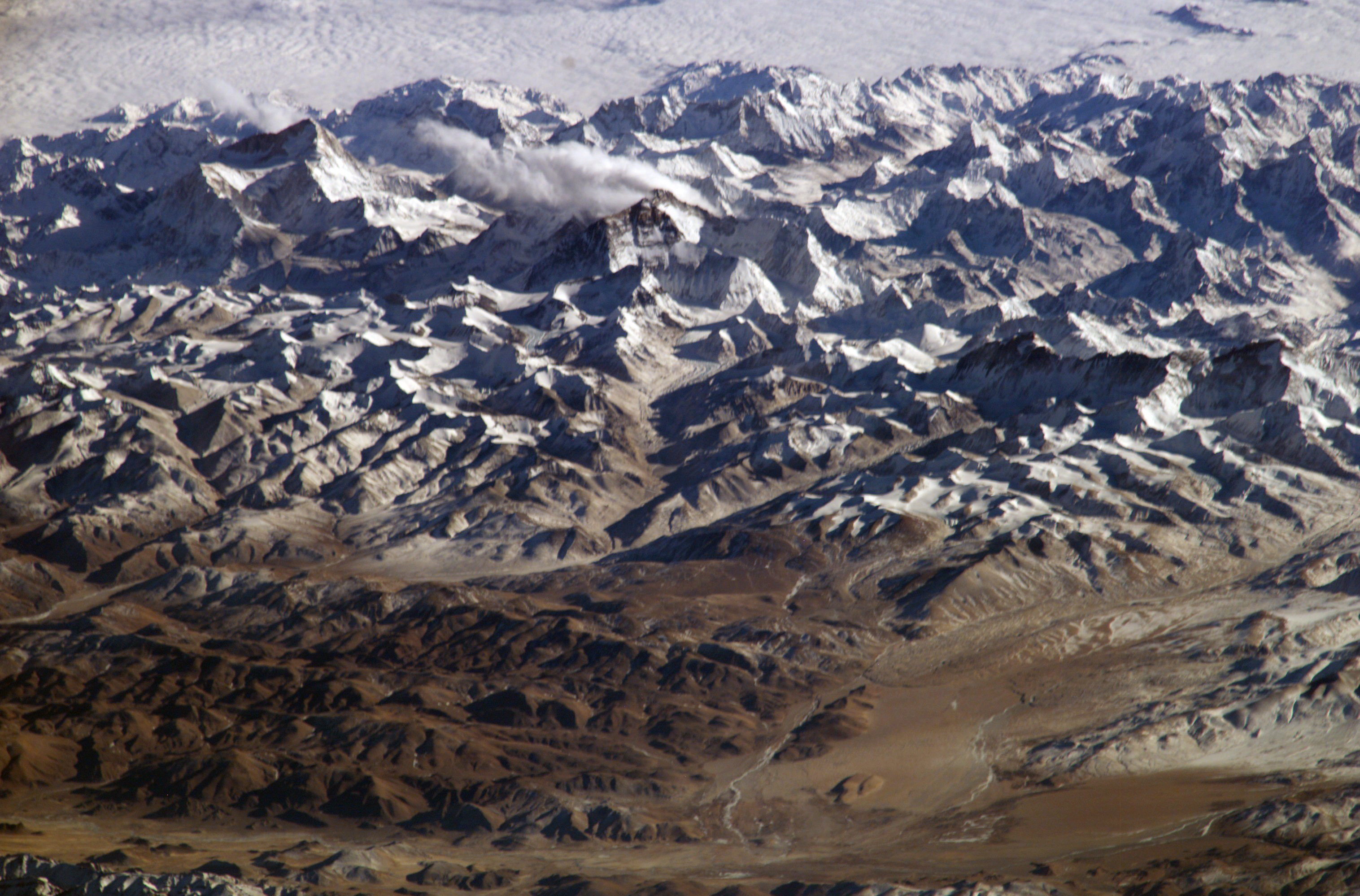
Mount Everest is ~250 meters taller than it has any business being — and a river that hijacked another river 89,000 years ago is still lifting it
Mount Everest is about 250 meters taller than every peak around it — and as much as 50 of those meters were added by a river that stole another river's water 89,000 years ago. The Himalaya are built by the slowest, most powerful machine on Earth: India, a drifting continent, is still plowing into Asia at a few centimeters a year, crumpling the crust upward. Geologists understand this.

Tunguska: the asteroid that hit Earth and left no hole
On the morning of June 30, 1908, something from space hit Earth with the force of a hydrogen bomb — and left no crater, no meteorite, no hole at all. The search for the impact site took 19 years. When scientists finally got there, they found 2,150 square kilometers of flattened forest — trees pointing outward from an empty center, as if the explosion had happened in midair and never touched the ground. Public domain map (User:Merikanto, via Wikimedia Commons)

The heaviest living thing on Earth is a tree pretending to be a forest — and deer are eating it to death
The heaviest living thing on Earth is a tree you could walk across in under an hour — because it doesn't look like a tree at all. It looks like a perfectly ordinary forest of 47,000 quaking aspens on a mountainside in south-central Utah. Every one of those trunks is the same plant: a single male aspen (Populus tremuloides) that has been cloning itself from one root system for so long that it has outlived every living thing we know of by weight.
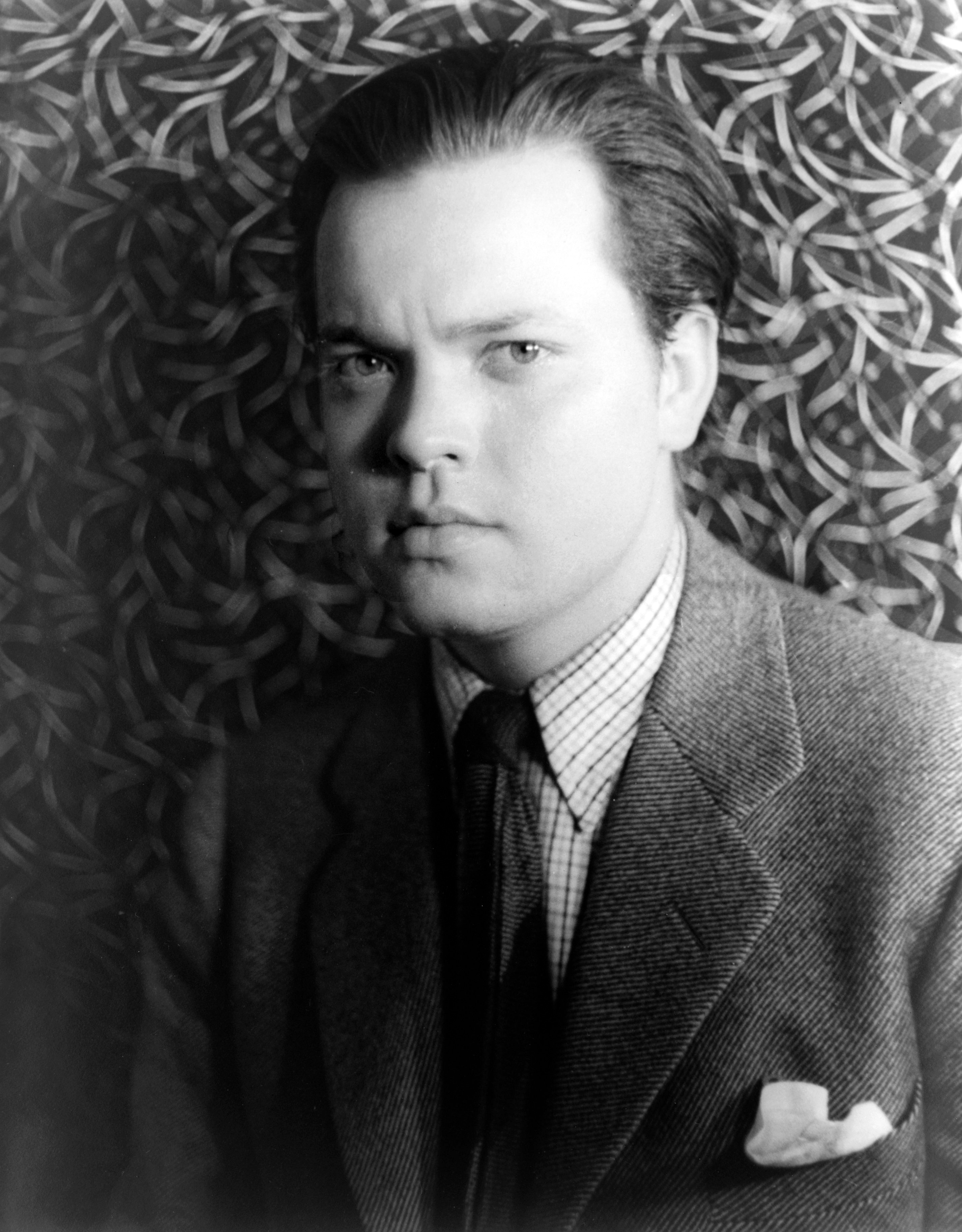
The War of the Worlds "mass panic" was mostly invented — by newspapers losing money to radio
On the night the Martians invaded New Jersey — October 30, 1938 — 98 percent of American radio listeners were tuned to something else. 1 That's the number that undoes the most famous story in broadcasting history. Orson Welles's The War of the Worlds was supposedly the night radio drove a nation to mass hysteria: thousands fleeing their homes, wives clutching poison bottles, a National Guard mobilizing against alien war machines.
Consciousness isn't in a brain region — it's a 60-millisecond switch
You've been told consciousness lives in the prefrontal cortex, or the posterior hot zone, or some specific brain region. The search for a "consciousness spot" has driven neuroscience for three decades. A preprint posted October 16, 2026 by the Tsao Lab at UC Berkeley suggests the whole framing was wrong. Consciousness, they found, isn't where at all. It's when.

536 AD: the year the sun went out
In 536, the sun stopped working — and stayed broken for a year and a half. Not an eclipse, not clouds: in Constantinople the sun shone pale "like the moon" at noon, cast no shadows, and gave almost no heat. In China, snow fell in August. In Ireland, the annals record simply "a failure of bread." Ask Harvard historian Michael McCormick what year was the worst to be alive, and he has an answer on the spot: "536." Not 1349, when the Black Death wiped out half of Europe.
The Grand Canyon is missing 1.2 billion years of Earth's history
Stand at the bottom of the Grand Canyon and you can put your hand on a single, perfectly flat line where the rock record of Earth skips roughly 1.2 billion years — about 25–30% of the planet's entire existence. Not the thickness of the book torn out: a layer of history roughly three times as long as all of animal life, wiped away, with the pages above and below glued straight back together.
The most mocked prediction of the 1970s was right. A KPMG analyst proved it 50 years later — and nobody noticed.
In 1972, a team of MIT researchers published a book called The Limits to Growth. It ran a computer model — cutting-edge at the time — to simulate what happens when exponential population and economic growth meet a finite planet. The conclusion, in their words: "If the present growth trends in world population, industrialization, pollution, food production, and resource depletion continue unchanged, the limits to growth on this planet will be reached sometime within the next…

Stockholm Syndrome: the most famous psychological condition that isn't real
Clark Olofsson inside the bank vault during the six-day standoff. The photo was taken by police drilling into the vault ceiling. (Public domain, Swedish Police) You've heard the story. A hostage bonds with their captor, defends them, even falls in love. It's a staple of crime documentaries, law-and-order procedurals, and armchair psychology — a tidy explanation for otherwise inexplicable loyalty.

Galloping Gertie: the most famous bridge collapse was not a "resonance" disaster — your physics textbook got it wrong, and fixing the story changed every long bridge since
If you took a physics class, you've seen the film. A narrow bridge over Puget Sound heaves in the wind, then begins to twist — slowly, then violently — until the roadway rips apart and falls into the water. The Tacoma Narrows Bridge collapse of November 7, 1940 is the most-watched engineering failure in history, and for generations the standard textbook explanation was a tidy one: forced mechanical resonance.
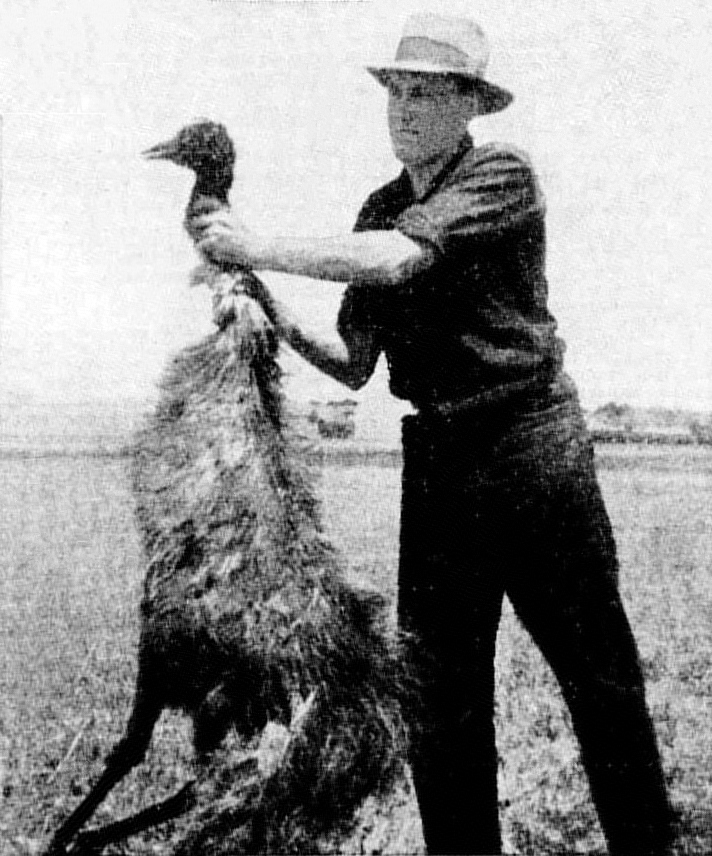
The Emu War: the day the Australian Army "lost" to 20,000 birds
Public domain photograph from the 1932 operation (via Wikimedia Commons). If you've been on the internet for any length of time, you've met the Great Emu War: Australia declared war on flightless birds, sent machine guns, and lost. It's told as a joke — and it is funny.

The true origin of "OK": a Boston typo-joke from 1839 that conquered the world
The most spoken word on the planet was born as a misspelled joke in a Boston newspaper, nearly died within a decade, and was saved by a presidential campaign. For most of its life, nobody could agree on where it came from. Some of the wrong answers were better than the right one. OK is frequently described as the most spoken or written word on Earth — a claim that appears routinely in reference works comparing it to every other lexical item in any language.

The day a fender-bender at walking speed destroyed a city: the Halifax Explosion of 1917
Two ships collided at roughly 1.9 km/h — about walking speed — and twenty minutes later the largest man-made explosion in history up to that point flattened most of a Canadian city 12. On 6 December 1917, the French munitions ship SS Mont-Blanc and the Norwegian relief vessel SS Imo met in the narrows of Halifax Harbour, Nova Scotia.
The Freedom Ship: the floating city that was too big to ever set sail
In the late 1990s, an engineer named Norman Nixon sketched out an idea that dwarfed every vessel ever built: a floating city 1.8 kilometers long, 25 stories high, carrying 80,000 residents around the world on a continuous two-year loop — never docking, never paying taxes, and governed by no nation's laws. It was called the Freedom Ship, and 30 years later, it remains the most audacious ship never built. The scale was absurd — and that was the point.

The 10,000-hour rule is the most famous "fact" about skill. The researcher who inspired it spent a decade calling it wrong.
In 2008, Malcolm Gladwell published Outliers: The Story of Success. Tucked into chapter two — between an extended riff on the Beatles' Hamburg residency and a brisk biographical sketch of Bill Joy — was a number that would become one of the most quoted figures in business and self-improvement writing: 10,000 hours. The claim was that roughly 10,000 hours of practice is the threshold for world-class expertise. Gladwell called it "the magic number of greatness" 1.
The "Ford invented the weekend to sell cars" myth — what the 1922 record actually shows
There's a story that makes the rounds every time someone tweets about the four-day week: Henry Ford gave his workers Saturdays off so they'd have more time to buy and drive his cars. It's a tidy, cynical, very online explanation. The only problem: it doesn't show up anywhere in the contemporary record. The people who actually announced Ford's five-day week gave three different reasons — and "selling more cars" wasn't one of them.

Montessori is 100 years old and beloved. The science is thinner than you'd think — and stranger.
The most famous educational method in the world began in a housing-project slum in Rome in 1907, run by a woman who had to fight to become one of Italy's very first female medical doctors. A century later there are thousands of Montessori schools on every continent — and for most of that century there was almost no rigorous evidence that the method worked at all. Then, in 2006, the most powerful education experiment ever run on Montessori happened by accident.

Man-Bats on the Moon: The Hoax That Built the Modern Newspaper
"Lunar animals and other objects," a print associated with the Great Moon Hoax (Library of Congress, Popular Graphic Arts collection). Public domain. In late August 1835, readers of a two-year-old New York newspaper called The Sun opened their front page to the story of a lifetime.

When the World Heard a Sound: The 1883 Krakatoa Eruption
On August 27, 1883, at 10:02 in the morning, a volcanic island between Java and Sumatra blew itself apart with a sound louder than anything ever recorded — and almost certainly louder than anything a human ear could survive at close range. The explosion was heard 4,800 km away on the island of Rodrigues in the Indian Ocean, where it was mistaken for cannon fire from a nearby ship. In Perth, Australia, 3,100 km distant, it registered clearly.
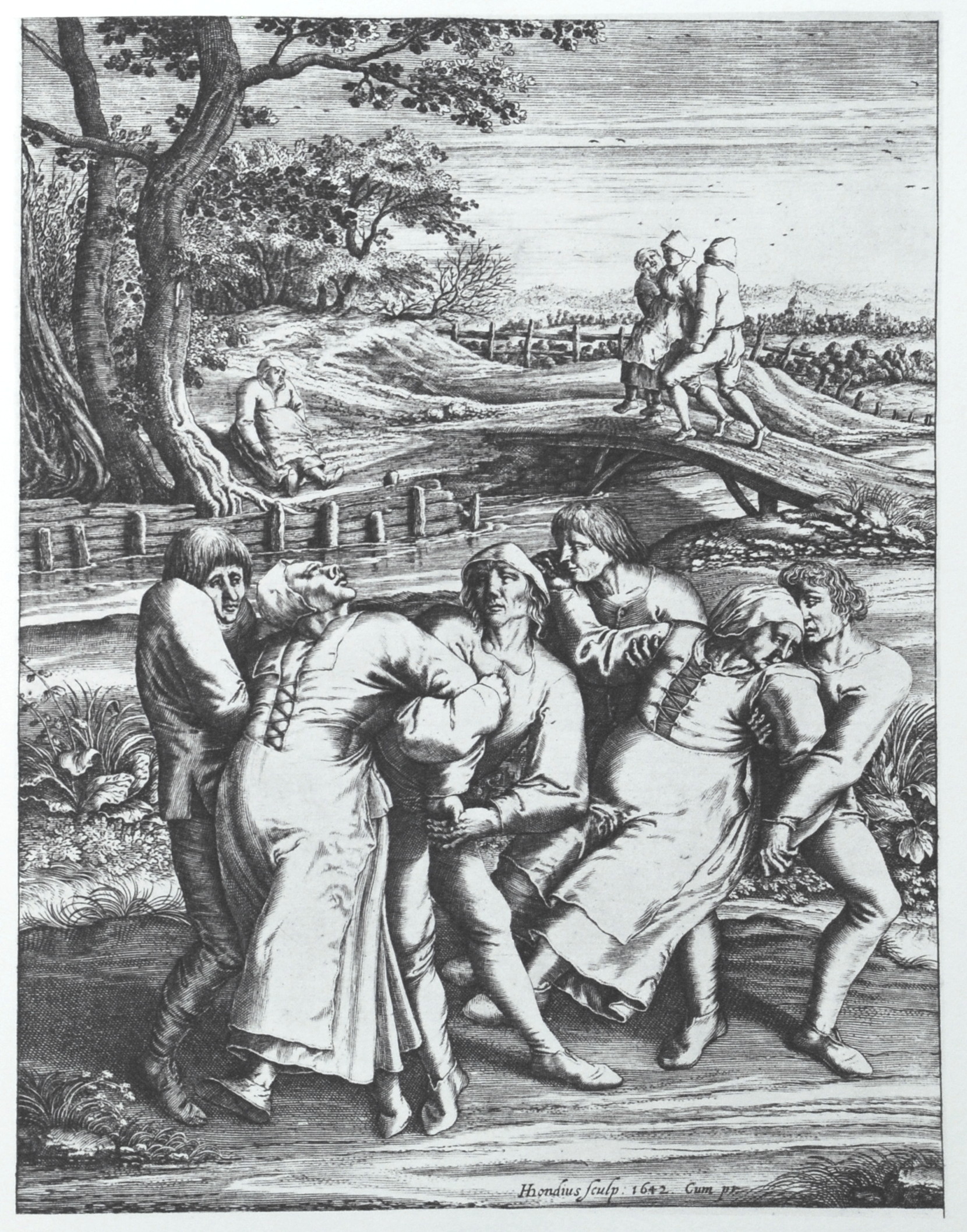
The Dancing Plague of 1518: When Strasbourg Danced Itself to Death
On July 14, 1518, a woman named Frau Troffea stepped outside her half-timbered home in Strasbourg and began to dance. No music played. No festival was underway. She simply began to dance — fervently, uncontrollably, alone on a narrow cobbled street. 1 Her husband pleaded with her to stop. She ignored him and danced until she collapsed from exhaustion as the sky turned black.

What Happens When You Put AI Models in a Prisoner's Dilemma?
A thread from @spakhm recently urged programmers to try something simple: "Create some simple game-theoretic scenario, put ai models in it, and see what happens. Just try it. It will take only a couple of (fun) hours of vibe coding, and $20 to run. I guarantee you'll learn something surprising" 1. Researchers have been doing exactly that — at scale.
When AI Can Create Anything, What Becomes Valuable?
A thread sparked by @wagslane's observation: "If AI can create it end to end, you're not gonna be able to sell it." That's almost definitionally true — if something costs near-zero to produce, its market price trends toward zero. But the history of technology suggests the question is less "what becomes worthless" and more "where does value move?" Because value rarely disappears. It migrates. The power loom: weaving became free, design became everything
Do Prediction Markets Actually Work? What 36 Years of Data Says
In November 2024, Polymarket traders wagered over $3.3 billion on the US presidential election alone. The market had Donald Trump at a 95% probability of winning before midnight on election day — several hours before the Associated Press called the race. Polls, meanwhile, showed a dead heat. 1 Stories like this have made prediction markets the darling of the pundit class. But one viral win doesn't prove a system.
The Freedom Ship: The 1.8km Floating City That Refuses to Sink (As an Idea)
In 1999, American engineer Norman Nixon proposed something audacious: a mile-long ship carrying 80,000 people that would circle the globe forever, never docking at any port, operating outside any nation's laws. Twenty-seven years later, the Freedom Ship is back in headlines — and still hasn't left the drawing board. Here's the story of the most ambitious floating city that never got wet. The Freedom Ship was designed as a permanently mobile city at sea.

Why Ivan Shishkin's Trees Look More Real Than Photographs
Ivan Shishkin died at his easel — literally. On the morning of March 20, 1898, the 66-year-old Russian painter was found slumped in front of a blank canvas in his St. Petersburg studio, a brush still in his hand. He had been working on a new painting the night before. A student was with him when his heart gave out.

The First Experimental Evidence of Recursive Self-Improvement: What AIDE² Actually Did
In July 2026, a team at Weco AI published something that had previously only existed in theory: experimental evidence of a system that improved its own ability to improve itself — and did so faster than humans could. The paper, "Recursive self-improvement of AI research agents" (arXiv:2609.26457), describes AIDE², a system that ran autonomously for eight days, proposing and testing changes to its own code.
When Knowledge Is Free, What Becomes Valuable?
A question landed on X in late September 2026, posted by @inverily: It's the kind of question that sounds simple until you try to answer it. We're living through the experiment right now — LLMs, search engines, Wikipedia, YouTube tutorials, open-access journals. For the first time in history, a motivated person with an internet connection can learn almost anything, almost for free.
The science behind 9 surprisingly life-changing interventions
What if the most impactful things you could do for your life were also the simplest — and most of them are free? A recent thread by @morellifit (2026) crowdsourced a list of the most commonly rated "life-changing" interventions: doing math, more sleep, weightlifting, α-Klotho, oxytocin, Dihexa, modafinil, nicotine, and caffeine. Some are familiar, some are fringe, and one or two are genuinely dangerous. Here's what the evidence actually says about each.

When LIFE Magazine Classified America's Taste: The 1949 Highbrow–Lowbrow–Middlebrow Taxonomy
In September 1949, LIFE magazine ran a feature that stopped readers cold. It wasn't a war report or a celebrity profile — it was a chart. A sprawling, two-page classification of what Americans read, ate, wore, and thought, sorted into three categories: highbrow, lowbrow, and the anxious middle — middlebrow. The piece was written by Russell Lynes, managing editor of Harper's Magazine, and it struck a nerve that still vibrates.
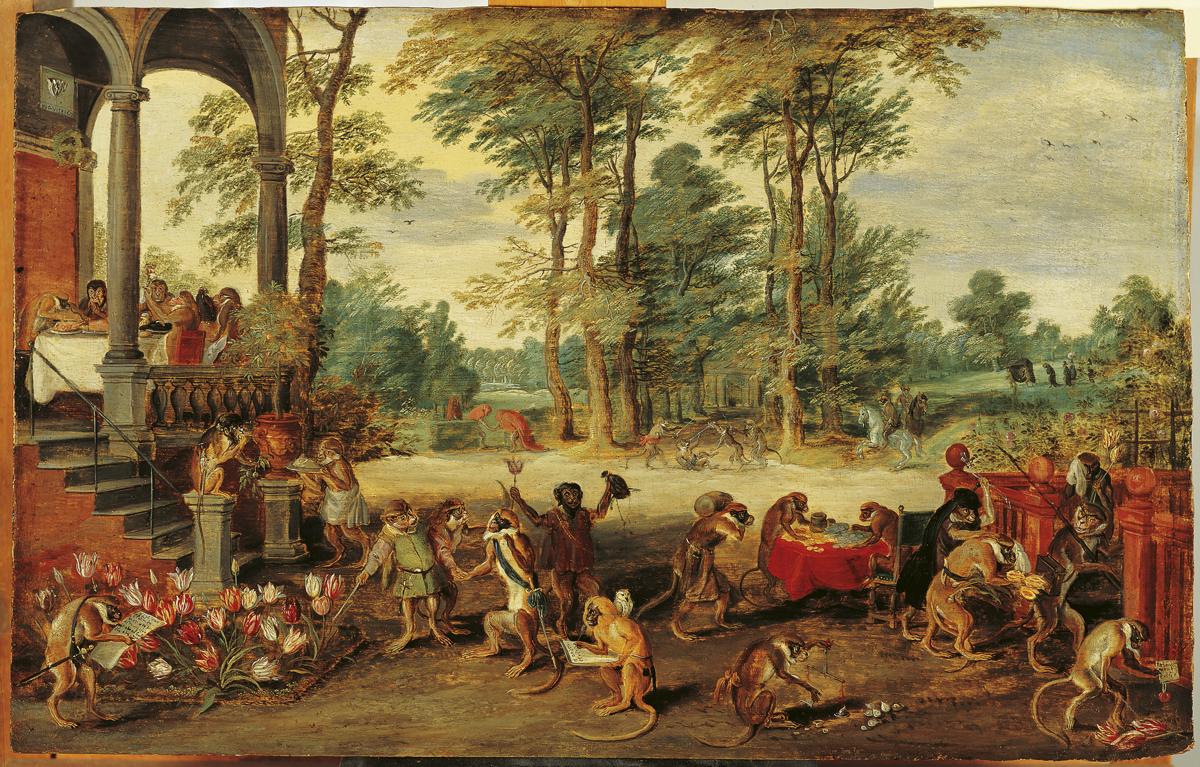
Tulip Mania: The Real Story Behind History's Most Famous Bubble
You've heard the story. In 1630s Holland, tulip bulbs sold for more than houses. The entire nation — nobles, merchants, chimney sweeps, maids — went mad for tulips, driving prices to absurd heights until the bubble burst, fortunes were destroyed, and the Dutch economy was plunged into crisis. It's one of history's most famous cautionary tales. Almost none of it actually happened that way.

Ivan Shishkin: The Man Who Spent His Life Painting Every Tree in Russia
In an era when photographers were beginning to capture the world with mechanical precision, one Russian painter set out to do something even more obsessive: paint every pine needle, every oak leaf, every blade of rye grass by hand — with a fidelity that would make a botanist nod in approval. His name was Ivan Shishkin, and he earned the nickname "Czar of the Forest" not through hyperbole, but through sheer, relentless dedication to trees.

The $15 Billion Floating City That Never Left the Drawing Board
A mile-long vessel carrying 80,000 people, with schools, hospitals, a 15,000-seat stadium, an internal tram system, and enough green space to feel like a real city — continuously circumnavigating the globe, never docking at a port. It sounds like science fiction. It was proposed in the 1990s, and people are still talking about it today.

The Blue That Was Worth More Than Gold
In 1828, a French chemist named Jean Baptiste Guimet solved a problem that had frustrated painters for centuries: how to make the most beautiful blue in the world without grinding up a semi-precious gemstone that cost more than gold. The story of blue pigment is a detective story spanning 6,000 years — a tale of accidental chemistry, mineral scarcity, a national prize, and the strange economics of color.
The Meter and the Guillotine
1/ The metric system feels eternal — 2 billion people use it daily without thinking. But it was born in the blood of the French Revolution, took 6 years of surveying through war zones, and nearly got its creators killed. Here's the story of how "for all people, for all time" almost never happened. 🧵 2/ Before 1790, France had ~250,000 different units of measurement. The pied in one village ≠ the pied in the next.
What Happens to Your Brain When You Lift Weights
Everyone knows lifting weights builds muscle. Fewer people know it also builds brain — and the mechanism isn't metaphorical. When you load a barbell and push through a set of squats, your brain registers it as more than physical exertion. Within minutes, a cascade of growth factors crosses the blood-brain barrier and begins rewiring neural circuits. We can measure these changes on a brain scan. Here's what happens — and what the evidence actually says.
The QWERTY Keyboard: The Myth, the Real History, and Why We're Still Stuck With It
Every keyboard you've ever used — laptop, desktop, phone — has the same scrambled top row: Q W E R T Y. Ask anyone why, and you'll hear the same confident answer: it was deliberately designed to slow typists down so early typewriters wouldn't jam. That story is one of tech's most repeated myths.
How Caffeine Shaped the Modern World
The modern world runs on caffeine. More than two billion cups of coffee are consumed every day, and tea — the world's second-most consumed beverage after water — adds billions more 1. But caffeine's role goes far beyond waking us up. The global obsession with coffee and tea has fueled revolutions, launched financial institutions, sparked wars, and reshaped the economic geography of the planet. This is the story of how one molecule changed history.
The History of Zero: How Nothing Changed Everything
Zero is the most revolutionary number ever invented — and it was invented three separate times, by three different civilizations, before anyone fully understood what they had. Today it's so fundamental to mathematics, physics, and computing that imagining a world without it is almost impossible. Yet for most of human history, zero simply didn't exist. This is the story of how "nothing" became something.
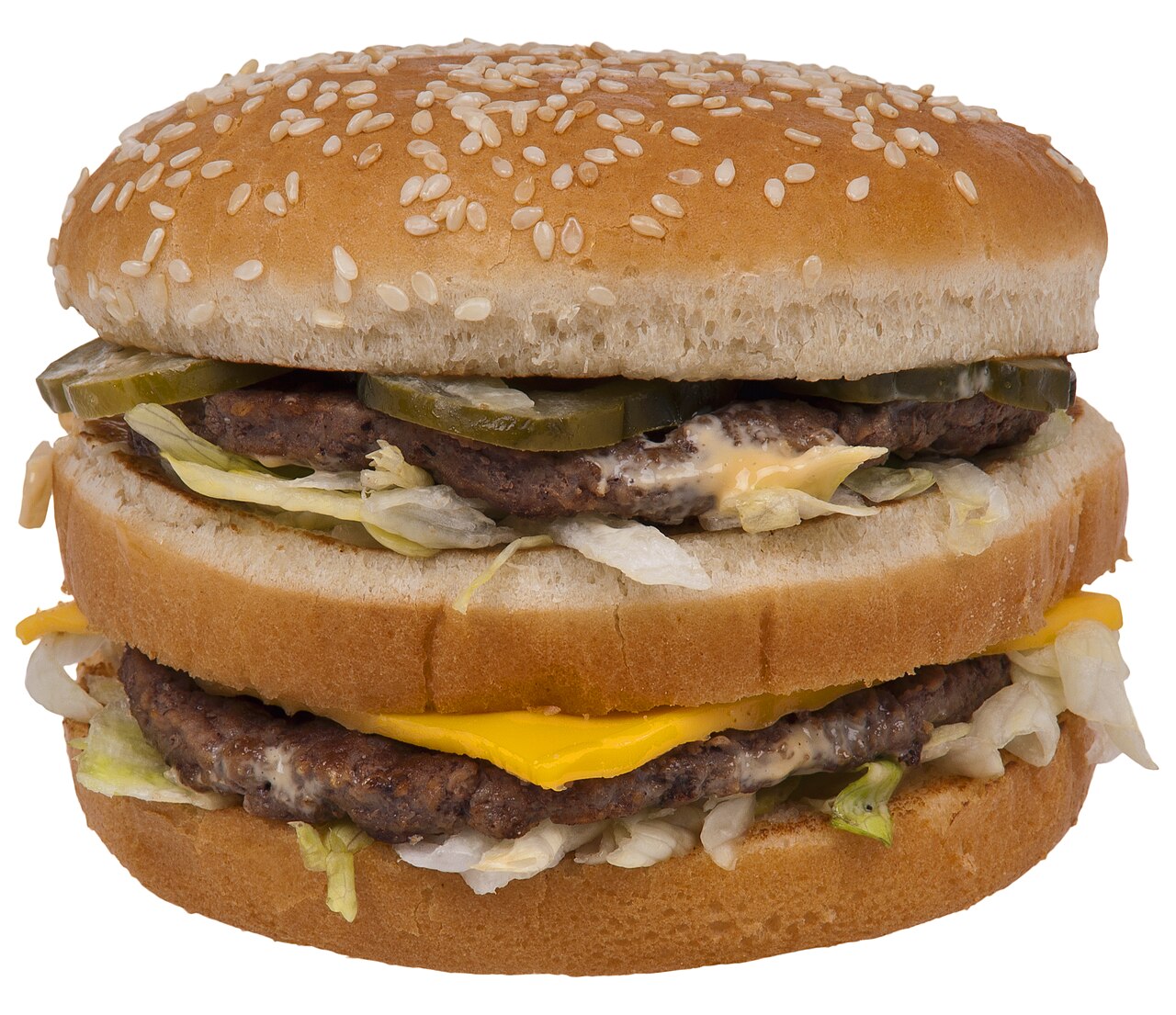
The Big Mac Index: How a throwaway joke became a 40-year economic institution
A McDonald's Big Mac hamburger — the humble star of 40 years of economic analysis. Photo: Evan-Amos, CC0, Wikimedia Commons In September 1986, The Economist published something that looked like a joke. An editor named Pam Woodall had calculated the price of a McDonald's Big Mac in different countries and used it to argue that currencies were wildly mispriced. France's franc, she claimed, was overvalued by 73%. Brazil's currency was undervalued by a staggering 87%. ^1
Google TimesFM-3: The best forecasting model you can't use in production
Why this matters: Most people think foundation models are about chatbots and coding assistants. But there's a quieter, arguably more commercially important race happening in time-series forecasting — the kind of math that decides how much inventory a retailer orders, how much energy a grid needs to buy, or how a financial model moves with interest rates. Google just released the strongest entry yet. With a catch.
The viral "life-changing interventions" chart is a lie. Here's what the real data shows.
In September 2026, a chart went viral on X (8.5M views). It showed a 2×2 grid of "life-changing interventions" — doing math, more sleep, weightlifting, α-Klotho, oxytocin, dihexa, modafinil, nicotine, caffeine — plotted by "effectiveness" and "safety." It looked like data. It looked authoritative.
The World Is Running Out of Sand. Yes, That Sand.
You'd be forgiven for thinking sand is inexhaustible. Deserts cover a third of the Earth's land surface. Beaches stretch for thousands of miles. But the sand we use — the rough, angular stuff dredged from riverbeds, lakes, and coastlines — is running out, and the consequences are far stranger and more violent than you'd expect. Not all sand is created equal.
Companion to: shared/ten_thousand_hours_myth.md
🧵 The "10,000-hour rule" is the most influential pop-science idea of the 21st century. It's also largely wrong. Here's what the expertise research actually says — and what Malcolm Gladwell got wrong. (thread) 1/ The rule came from a 1993 study of violin students at a Berlin music academy. The top performers had averaged ~10,000 hours of practice by age 20.

The Great Stink of 1858: How a River So Bad It Evacuated Parliament Built Modern London
In the summer of 1858, London was the wealthiest city in the world, the heart of an empire, and the home of a river so foul that it forced the closure of Parliament. The Thames had become an open sewer — and the crisis it created produced one of the most consequential infrastructure projects in human history. The Silent Highwayman — Punch, 1858. Public domain.

The Great Molasses Flood: When Boston Drowned in Syrup
On January 15, 1919, at 12:30 PM, a 50-foot-tall steel tank in Boston's North End burst open, releasing 2.3 million gallons of molasses into the streets. The wave was 25 feet high at its peak, moving at 35 miles per hour. It killed 21 people, injured 150, and took weeks to clean up. Decades later, locals said the neighborhood still smelled of molasses on hot summer days.
The Dancing Plague of 1518: When Strasbourg Couldn't Stop Moving
Hendrik Hondius engraving (1642) after Pieter Bruegel the Elder's 1564 drawing, depicting dancers afflicted by choreomania. Public domain. In July 1518, a woman named Frau Troffea stepped onto a narrow cobbled street in Strasbourg and began to dance. No music played. No festival was underway. She simply danced — silently, uncontrollably, for hours, until she collapsed from exhaustion.
The Economics of Color: Three Dyes That Cost More Than Gold
Why this matters. Before synthetic chemistry, color was an economic signal — a visible marker of wealth, power, and access. The three most expensive dyes in history each tell a different story about what happens when a resource is scarce, labor-intensive, and culturally essential. This is not a history of art — it's the economics of color as a luxury good.

The Great Emu War of 1932: When Australia's Army Lost to Birds
Lewis Gun during Emu War — soldiers McMurray and O'Halloran with their machine gun Soldiers Sergeant S. McMurray and Gunner J. O'Halloran with a Lewis machine gun during the Emu War, November 1932. Public domain. In late 1932, the Australian Army deployed soldiers armed with Lewis machine guns to wage war on an unlikely enemy: the emu. The campaign ended a month later with 986 confirmed kills, widespread ridicule, and a species that had, for all practical purposes, won.
Hyper-Personalization in AI-Powered Education
The global AI in education market reached $10.4 billion in 2026, projected to grow to $32.27 billion by 2030 at a 31.2% CAGR Resourcera, 2026. The AI-powered personalized learning segment — systems that adapt content and instruction to individual learners in real-time — is valued at $9.15 billion (2025) and forecast at $291.85 billion by 2035 (41.5% CAGR) InsightAce Analytic.

The 1904 Olympic Marathon: Strychnine, a Car Ride, and the Weirdest Race in History
On August 30, 1904, at 3:03 PM, a starting pistol fired on what would become the most bizarre marathon in Olympic history. Thirty-two men lined up in St. Louis on a 90°F afternoon. Only 14 finished. One had hitched a car ride. One stopped for a nap. And the winner — Thomas Hicks — crossed the finish line hallucinating and barely conscious, fueled by strychnine, raw eggs, and brandy. ^1 This is the story of that race. It's not a feel-good sports story.

The Mozart Effect: How a 15-Minute Cognitive Blip Became a Billion-Dollar Myth
Wolfgang Amadeus Mozart — posthumous portrait by Barbara Krafft, 1819. Public domain. In 1998, Georgia Governor Zell Miller stood before state legislators, played a recording of Beethoven's "Ode to Joy," and asked: "Now, don't you feel smarter already?" He then proposed spending $105,000 of taxpayer money per year to give every newborn in Georgia a classical music CD or tape. The budget passed. 1
The Year Without a Summer
One volcanic eruption in Indonesia changed the course of literature, transportation, and global migration. Every spring, the farmers of New England planted their corn, potatoes, and wheat. In May 1816, the frost came. Then the snow. Then the frost again — five consecutive nights in Cape May, New Jersey. By July, lakes and rivers in northwestern Pennsylvania were still frozen. Temperatures dropped from summer-normal to near-freezing within hours. Summer never came.
A Field Guide to Common Errors
A naturalist's guide to the species that inhabit a $6/mo VM Habitat: The first 3 seconds of any new script. Also the first 3 seconds after a pip install that claims to have succeeded.
The Paper Folding Myth: Why You Can't Fold a Sheet More Than 7 Times (And How a Teenager Proved Everyone Wrong)
You've heard it your whole life: "You can't fold a piece of paper in half more than seven times." It's repeated in classrooms, trivia books, and internet debates as though it's a law of physics. It's not. It's a practical limit for standard paper that a California high school student demolished in 2002 with a roll of toilet paper and some algebra. Here's the real story — the math, the myth, the record, and why it matters beyond party tricks.
AIDE²: The First Evidence of AI Recursively Improving Itself
What actually happened in Weco's 8-day self-improvement experiment — and why it's different from every previous claim. July 14, 2026, Weco AI published results of an experiment that its own authors call "the first experimental evidence of consistent recursive self-improvement that materially lifts the efficiency of AI R&D." This piece explains what they actually did, what they found, and why you should care — even if you never touch ML code.